
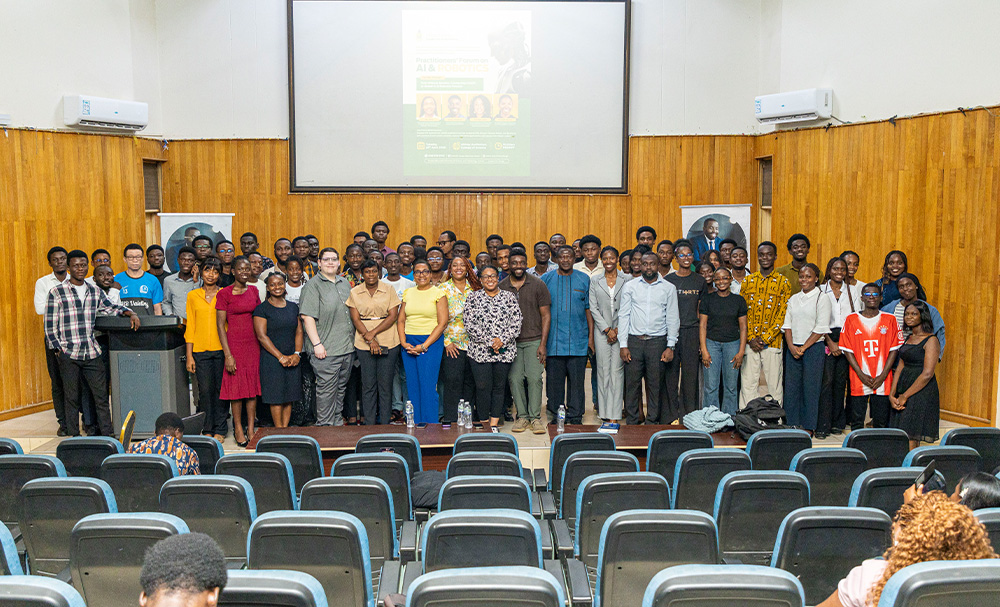
The Career Services Centre of the Kwame Nkrumah University of Science and Technology, Kumasi, has organised a practitioners’ forum on artificial intelligence (AI) and robotics under the theme, “Tech Without Borders: Connecting KNUST to Global AI and Robotics Practice.”
The forum, held in collaboration with the Department of Computer Science and Thinquebytes, a United States-based non-profit organisation, aimed to bridge the gap between academia and industry.
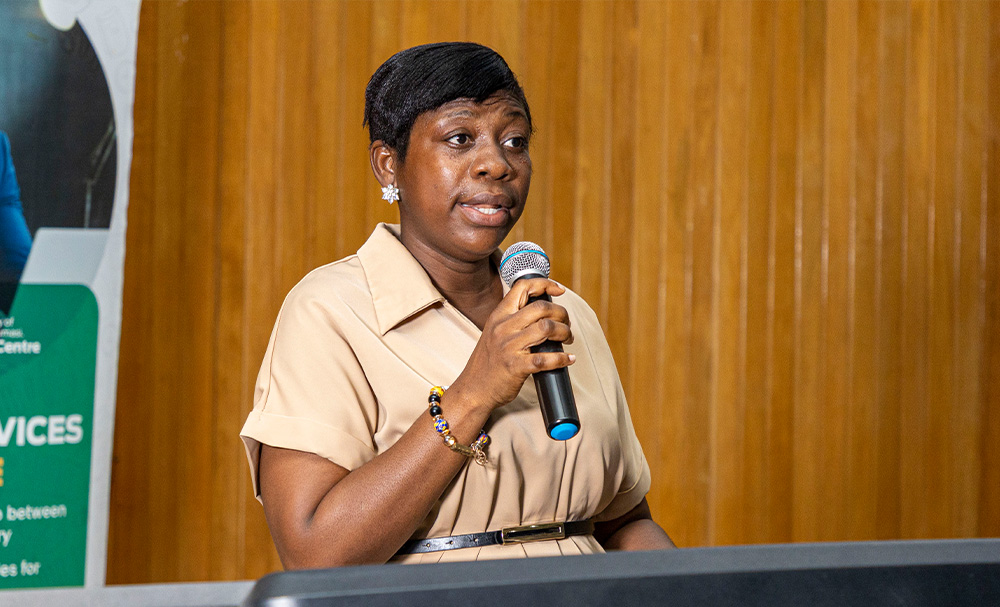
The Director of the Career Services Centre, Mrs Selina Angmor, highlighted the Centre’s mandate to prepare students for industry and connect them to opportunities.
“A few years ago, the current Vice-Chancellor of the university set up the Career Services Centre to prepare students for industry and to connect students to opportunities in industry. It is in line with our mandate of building your capacity for industry and connecting you with opportunities in industry,” she said.
Mrs Angmor noted that this objective informed the Centre’s collaboration with Thinquebytes to expose students to real-world experiences in AI and robotics.
“We have invited the team here, Thinquebytes, all the way from the United States to share with us their experiences and insights into AI and robotics and to give you some advice on how you can also chart your careers in those fields,” she added.
She urged participants to look beyond local opportunities and position themselves for the global tech ecosystem.
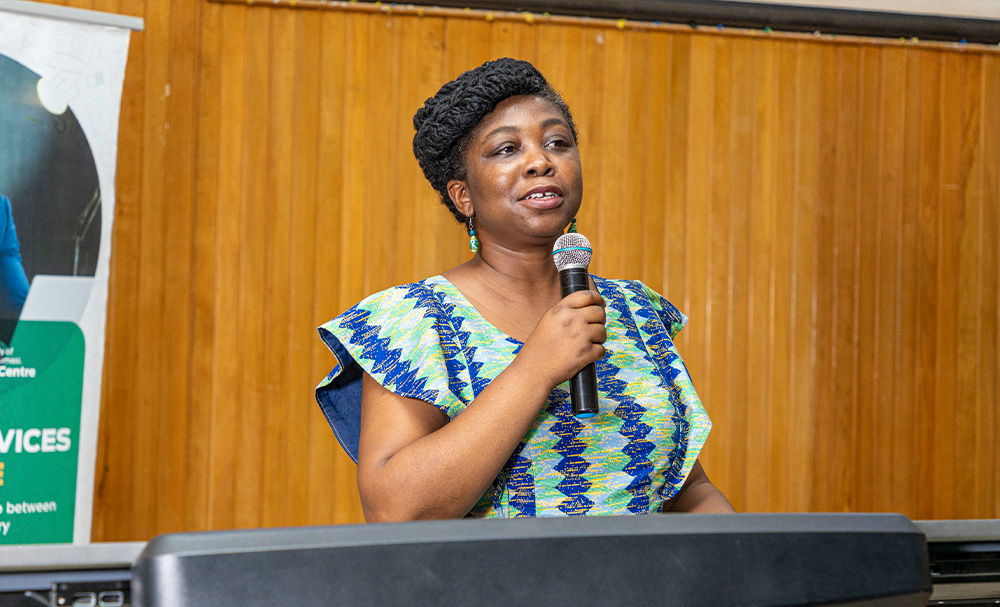
The Director of Student Affairs, Prof. Marian Asantewah Nkansah, said the university’s mandate includes training students to develop solutions to local challenges.
“And so, as a university, our mandate, among many others, is to train scientists, including computer scientists, engineers and innovators who will not just use AI and robotics, but will also shape them and find solutions that can be applied locally,” she said.
She added that the Directorate is committed to creating an inclusive environment for all students.
“Whether you are male or female, whether you are a person with a disability or able-bodied, the Directorate is interested in creating a safe space and a support system for all students to thrive, particularly in tech,” she said.
In her closing remarks, Prof. Nkansah called on global partners to support the university in nurturing talent.
“If you invest in a KNUST student today, you are not just doing charity, you are making a smart investment,” she said.
The Head of the Department of Computer Science, Prof. Michael Asante, said the department is already offering courses in AI and robotics as part of its academic programmes.
“So currently, as we all know, Computer Science is already into that. We do AI and robotics as part of our training programmes. So, our students are already involved in it. We also have a lab in preparation towards that,” he said.
He added that the university is embedding practical skills in AI, robotics, the Internet of Things (IoT) and data-driven problem-solving into its learning ecosystem to ensure students move beyond consuming technology to creating and innovating with it.
The Thinquebytes team shared experiences working with global technology firms, including NASA, Amazon, Boeing and Tesla.
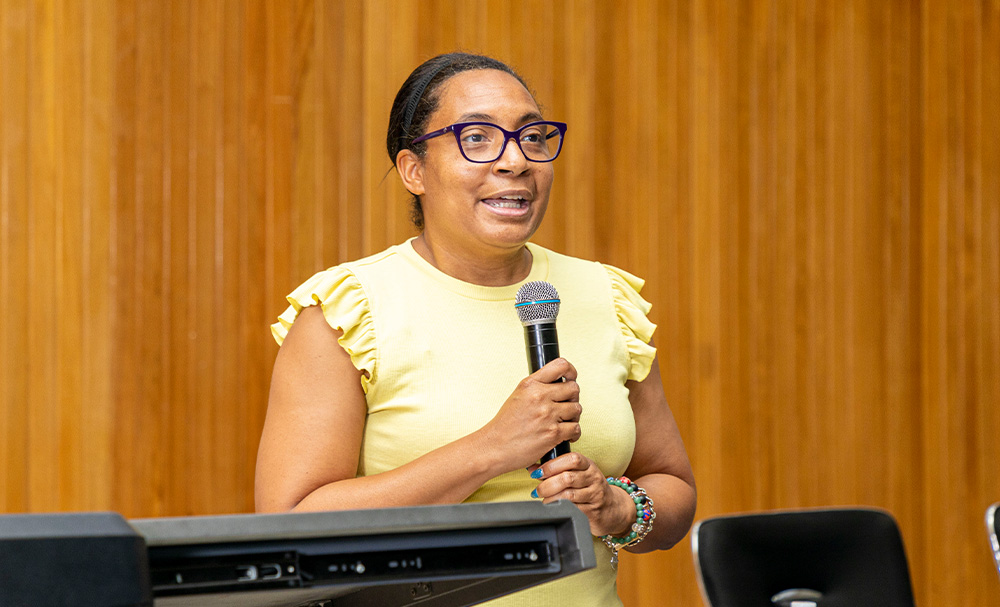
The founder of Thinquebytes, Nia Jetter, recounted her journey from developing an early interest in science to programming at the Massachusetts Institute of Technology (MIT) and later establishing the non-profit organisation.
She said some of the code she develops supports everyday navigation systems.
“So, when you are navigating, when you are using GPS, you are most likely using one of my satellites. One of the satellites you are using to determine your position or altitude is likely using code that I wrote,” she said.
Other team members: James Medows, Dr Maya Luster and Michelle Warren, also shared their career journeys, offering insights into their professional paths.
The forum featured a panel discussion, where participants engaged speakers with questions, and concluded with a training-of-trainers (ToT) session.


